3+ Years · UX & Branding Design · Trusted by teams & founders

Product & UX Designer - Chennai

Design that converts, not just impresses.

Designing products that convert, not just look the part - across web, mobile, and dashboard surfaces.

Hiring for product or UX? Here's the 90-second version below - design systems, sole-designer ownership, zero filler.

Chennai, INOpen to UX designer / Product
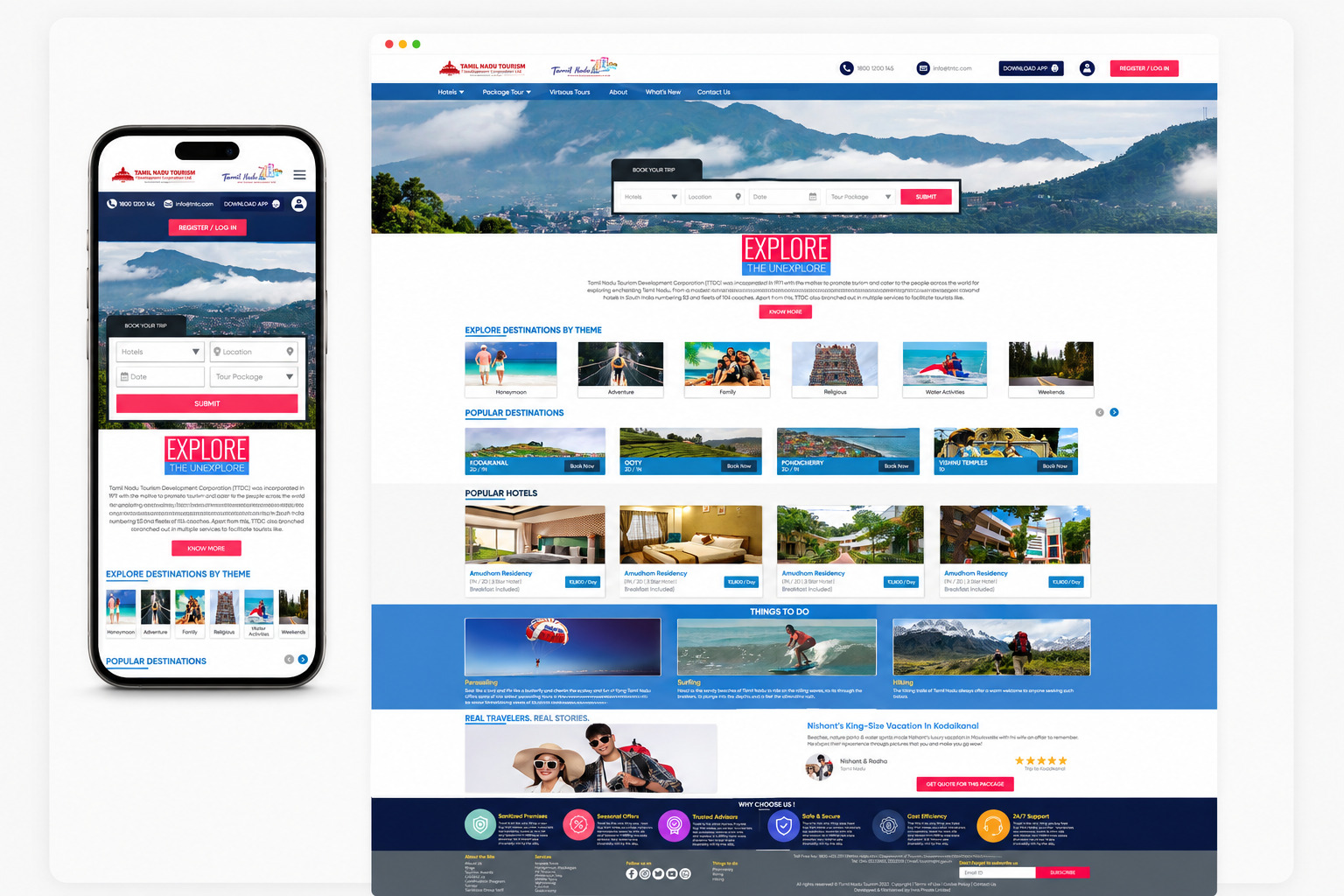
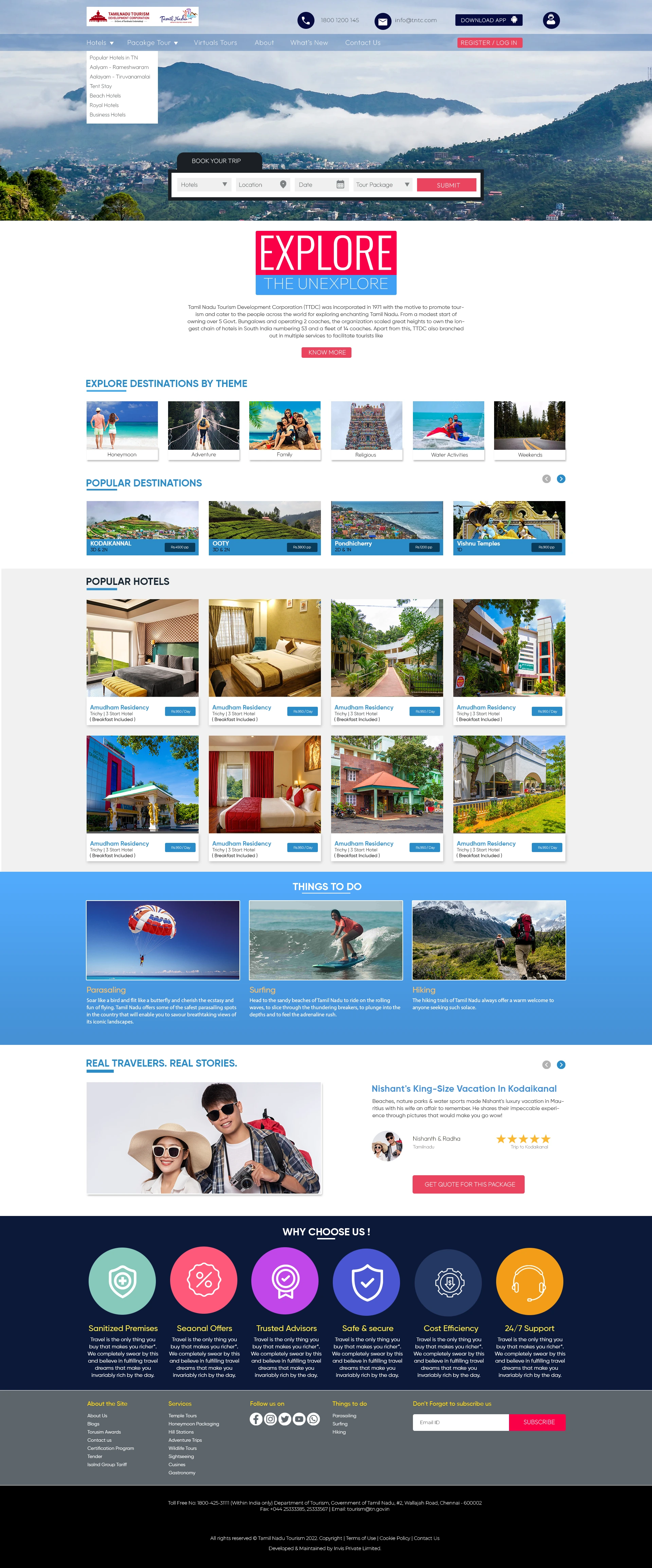
Tamil Nadu Tourism redesign
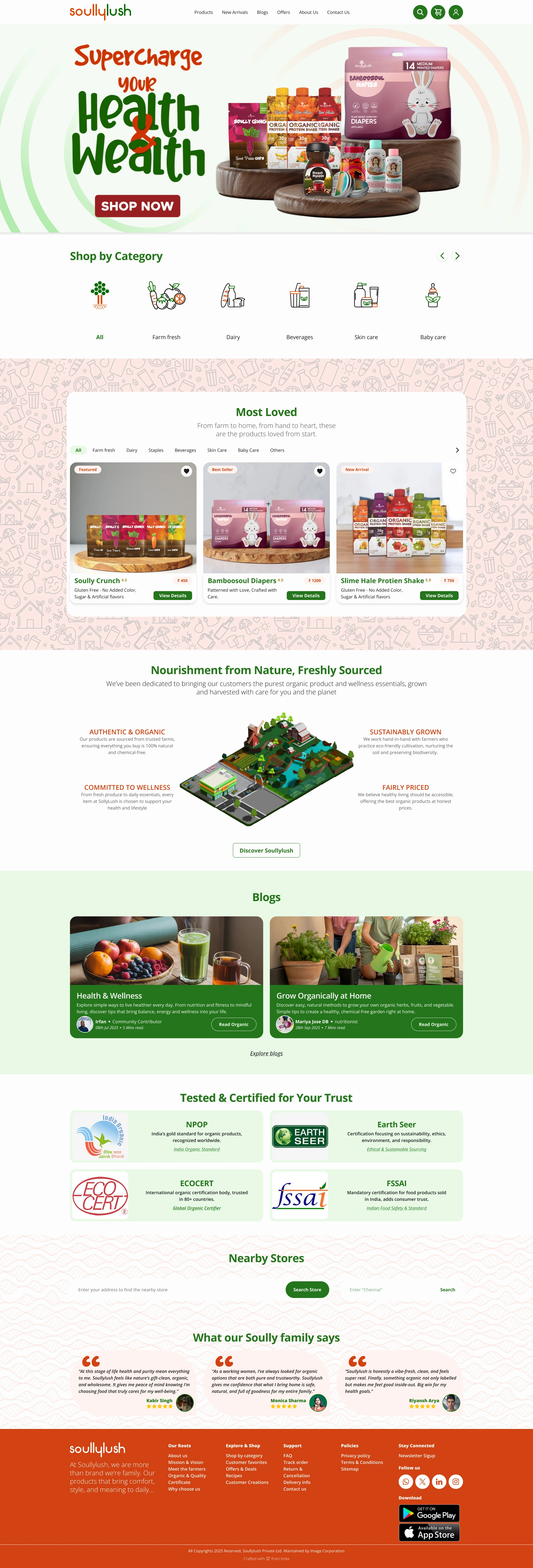
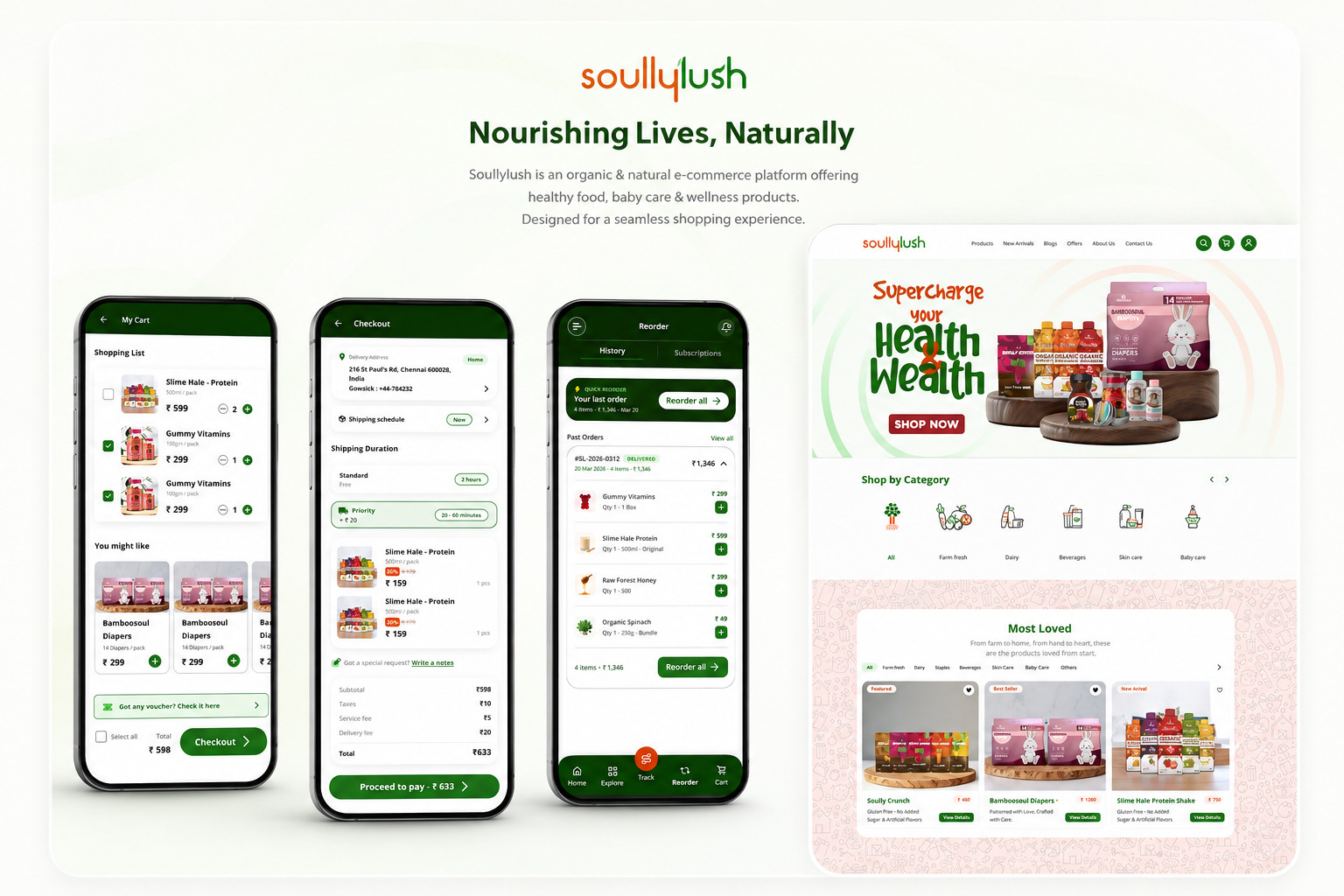
Soullylush storefront
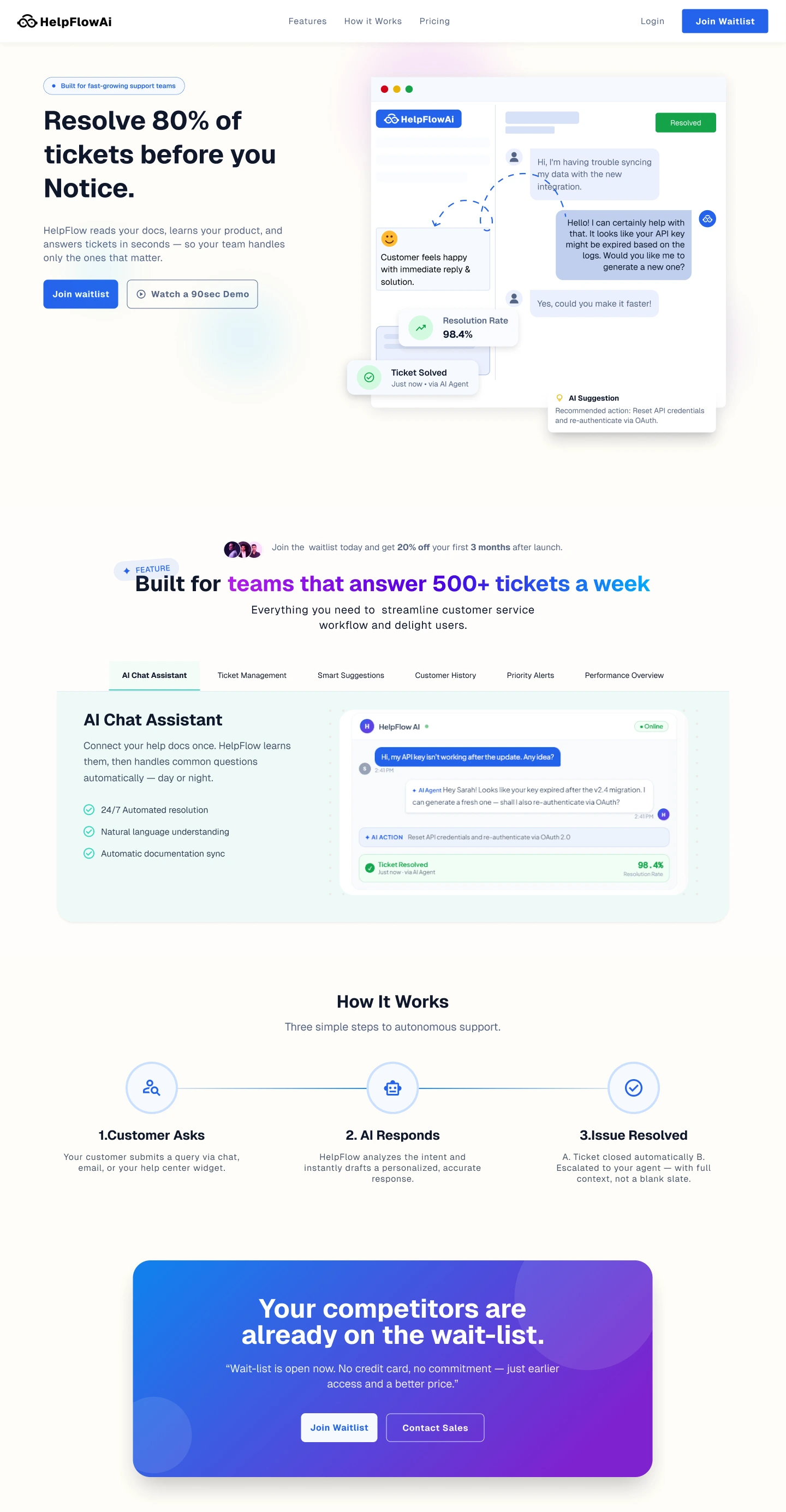
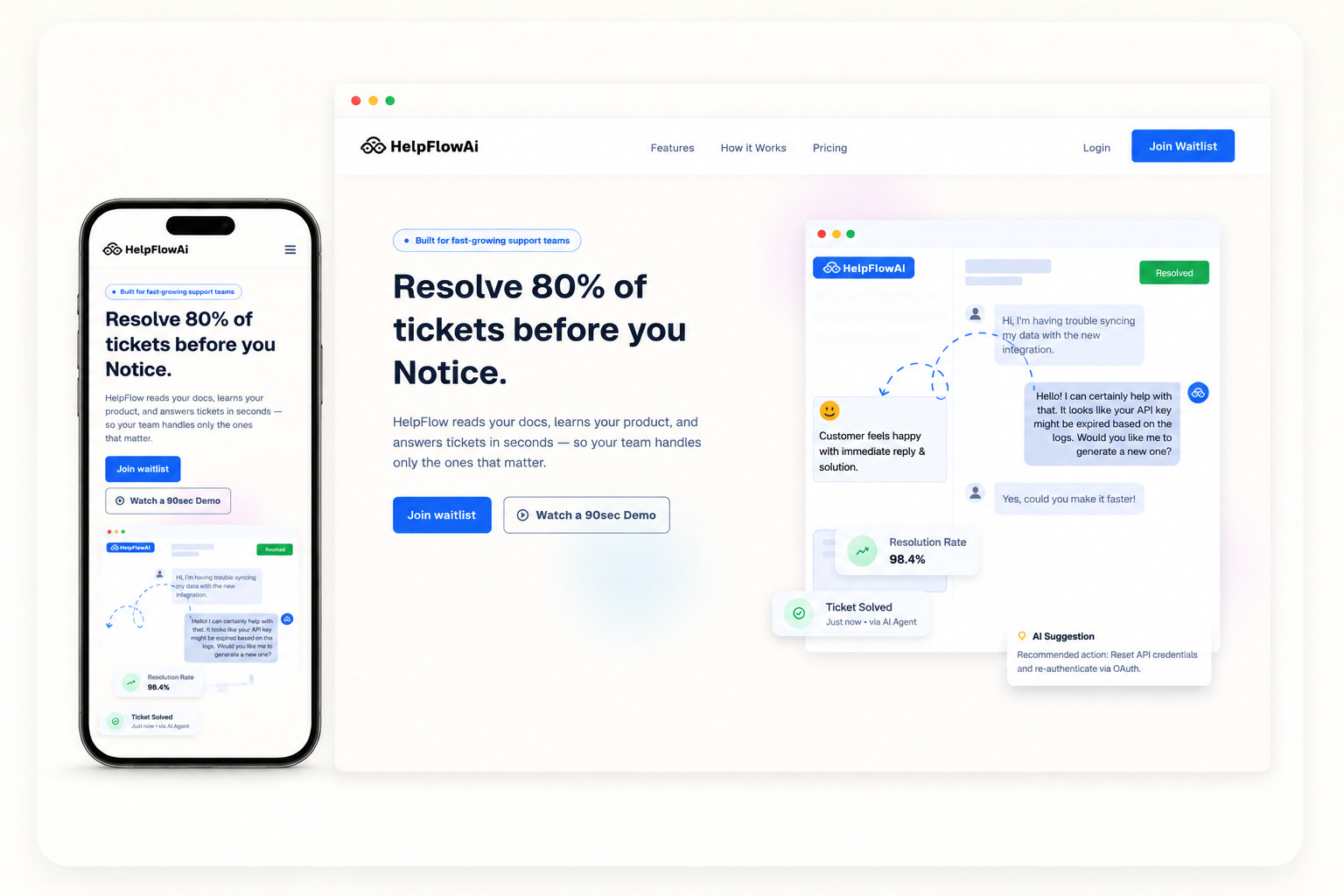
HelpFlow AI landing page
Soullylush HelpFlow AI TN Tourism Dept. hexapixel.ui Soullylush HelpFlow AI TN Tourism Dept. hexapixel.ui

The Value Add

What I bring to the table.

Not another set of pretty screens - a way of thinking that holds up under real constraints.

01

I diagnose before I design

I find the real issue first - cognitive load, a skill gap, a structural problem - before a single screen gets touched. Fewer redesigns later, because the first one solved the right problem.

Product Discovery UX Research Surveys HFE Information Architecture Personas
02

I ship systems, not screens

Every project leaves behind tokens, components, and documented states - not one-off mockups. Your team can build on it after I'm gone.

Design Systems WCAG Usability Testing Figma Dev Handoff
03

I write for the decision, not the screen

UX copy in my work is built to move someone toward a choice - clear microcopy, honest empty states, no filler. Words are a design material, not an afterthought.

UX Copy Writing Interaction Design Business Goals Stakeholder Communication

Selected Work

Three problems, three different products.

Soullylush
D2C Wellness · 4 Platforms

Soullylush

  • Build trust in organic products and reduce checkout drop-off.
  • One scalable design system across Web, Mobile & Farmer Dashboard, with BI extending the same grid.
  • 4 key tradeoffs → 4 measurable product metrics.
  • A prioritized P0/P1/P2 roadmap focused on conversion and retention.
UI/UX Design System 4 Platforms IxD
View Project ↗
Sole Designer 7 Core Screens
HelpFlow AI
SaaS · Landing Page

HelpFlow AI

  • Turn a new AI product into something a stranger could trust enough to share their email - within 3 days.
  • 8pt grid · 7 token categories · 10 type levels
  • Blue-led trust system with a restrained gradient accent.
  • Workflow-led features + complete hover, focus, disabled & loading states.
  • 2 gaps rebuilt · 3 documented for iteration · WCAG contrast checked
UI/UX Design System UX Copy Writting
View Project ↗
UI/Visual Designer 3-Day Sprint
Tamil Nadu Tourism
Government · Tourism

TN Tourism

  • Users described the experience as a “notice board, not a travel guide” across 24 interviews.
  • Translated research findings into if / then / because hypotheses for every major screen decision.
  • Persistent booking widget · Theme-based navigation · Trust strip differentiating the platform from private OTAs.
  • 4 design goals aligned with business priorities: direct bookings · lower bounce · destination reach · platform trust.
UX Strategy Website Redesign Responsive Design Break Points
View Project ↗
UX Strategist 24 Interviews

FAQ

How I work

You have the chance to know design process..

01 How I Approach & Solve problems?
I involve users from the initial stage, then diagnose the real issue - cognitive load, a skill gap, or a structural factor - before deciding how to solve it. From there I break the problem into chunks, test and validate each one for sufficiency (not minimalism), and check that no chunk's fix creates friction elsewhere before shipping.
02 How do I ensure my designs are user-centered?

User-centered isn't a phase, it's a check I run against every decision. I measure success against actual behavior, not just what people say in interviews or surveys - intent and action often disagree. I also test for cross-audience interference: a fix that helps one user group can quietly create friction for another, so nothing ships until I've checked it against both.

03 What is my design process?
I scale my process to the project, not the reverse. Lean UX for low-risk work. Double Diamond or Design Thinking for medium complexity. My full diagnostic process -> chunking, sequencing, interference-checks -> for high-stakes, multi-audience problems. The rigor matches what the problem demands, not a fixed ritual.
04 How I measure the success of a product?
I measure a product's success through KPIs - conversion rate, task completion rate, user retention - combined with usability testing reports and direct user feedback. But I keep in mind that people don't always do what they say, so I never rely on stated feedback alone. I cross-check it against actual behavior - what users complete, drop off from, or return to - because that gap between what people say and what they do is often where the real insight is. Ultimately, a product is only successful if it aligns with business goals while delivering a seamless user experience - one without the other isn't success.
05 How do I know when a design is "done"?
A design is done when each part of it resolves the specific problem it was meant to solve - not when it looks finished. If a chunk still shows friction for a user or doesn't move the metric it was meant to move, it's not done, regardless of visual polish.
06 How I validate the right problem to solve in a product?
Validating the right problem means looking past the UI. A product's real issue can live in taxonomy or UX writing, in a broken user flow, or in a mismatch between the product and how actual users behave - not just how it looks. I validate this through reports and behavioral data - task completion, drop-offs, conversion patterns - mapped against what users are actually doing, not just what they say. If a product fails to convert, that's rarely a visual problem; it's usually a sign the flow doesn't match real user behavior, and that's where I look first before touching any screen.

About

Design should move people, not just impress them.

I'm a Chennai-based product and UX designer, working across client projects, while mentoring design students at Image Creative Education - using their real briefs as the teaching ground.

"A design that only looks strong hasn't done its job yet - colour, type, and structure exist to move someone toward a decision."

I rarely hand students a solution. I ask the question that gets them to find it themselves - because that's the only way the thinking actually sticks. It's the same instinct I bring to my own work: a SaaS onboarding flow, a farmer's wellness dashboard, a state tourism platform - different problems, same underlying question: what does this person need to feel and understand to take the next step?

Product Design UX Strategy Design Systems Figma Interaction Design Information Architecture
Off the Clock

Beyond the screen.

Design isn't the only thing that keeps me moving - most weekends I'm either on a volleyball or cricket court, or a few chapters into a book I've read before.

"The best resets aren't screens - they're a court, a trail, or a good story."

I go back to childhood favourites often - The Mouse and the Motorcycle and the whole Narnia series - alongside whatever I'm reading new. And whenever I can, I get out: a trip, a trail, anywhere that puts me next to nature instead of a screen.

Volleyball Cricket Reading Travel Nature